


Why Radiators Go Cold at the Top
If you rest your hand on a radiator and find the top is lukewarm while the bottom is properly hot, you are almost certainly looking at trapped air. Air is lighter than water, so it rises to the highest point in the system — usually the top corner of an upstairs radiator — and sits there like a cushion. Water simply cannot get past it, which means that part of the radiator never heats up. Multiply that across five or six radiators and your boiler is working harder to warm a house that never quite feels warm.
The air gets in through several routes. Every time the system is drained for a repair, air fills the pipework. Corrosion inside steel radiators produces hydrogen gas as a by-product. On open-vented systems, air can be drawn down the feed and expansion pipe, and a failed pump seal or a pinhole leak will let it creep in too. Bleeding is the straightforward fix, and it costs you nothing beyond a small key and ten minutes per radiator.
One important distinction before you start: air gives you a cold top and warm bottom. If a radiator is cold at the bottom and warm at the top, that is sludge or black iron oxide settling out, and bleeding will not touch it. That one needs a chemical clean or a power flush.
What You Will Need
- A radiator key — a small square-headed tool costing a pound or two from any hardware shop or supermarket. Most modern bleed valves are square; a few take a flat-head screwdriver, so check before you buy.
- An old towel or cloth to catch the drips, plus a small jug or mug if the valve is awkward to reach.
- A second towel for the floor, especially on carpet or laminate. Bleed valves always spit a little water at the end.
- A torch if the radiator sits in a dim corner or behind furniture.
You may also want a radiator bleed key with a built-in spout — a neat design that directs the water away from your wallpaper rather than down the wall.
The Right Way to Bleed a Radiator
Work through the house in a sensible order and take your time. Rushing is how people end up with a soaked carpet or a stripped valve.
- Turn the heating off and let everything cool. Give it at least half an hour. Water in a central heating system can be close to 80°C, and a jet of it will scald you. Bleeding a cool system is also more effective, because hot water holds dissolved air less well.
- Start at the lowest radiator and work upwards. On a two-storey house, begin downstairs and finish upstairs. Air rises, so bleeding the top floor first can pull air down through the pipework and undo your work.
- Hold the cloth under the bleed valve at the top corner of the radiator, and fit the key firmly. Turn it anticlockwise no more than half a turn. You will hear a hiss as air escapes. That hiss is exactly what you want to hear.
- Close the valve the moment water appears. A steady trickle means the air is gone. Do not keep going to flush water through — you are only wasting treated water and dropping your system pressure.
- Wipe the valve and check for drips after a few minutes. A bleed valve that weeps needs a quarter-turn nip up, and if it still drips, the valve itself may need replacing.
Combi Boilers, Sealed Systems and Pressure
If your home has a combi or a sealed system boiler, bleeding will drop the pressure. Check the gauge on the boiler before you start — it should read around 1.0 to 1.5 bar when cold. After bleeding a few radiators, that figure may have fallen to 0.5 bar or below, and the boiler may lock out.
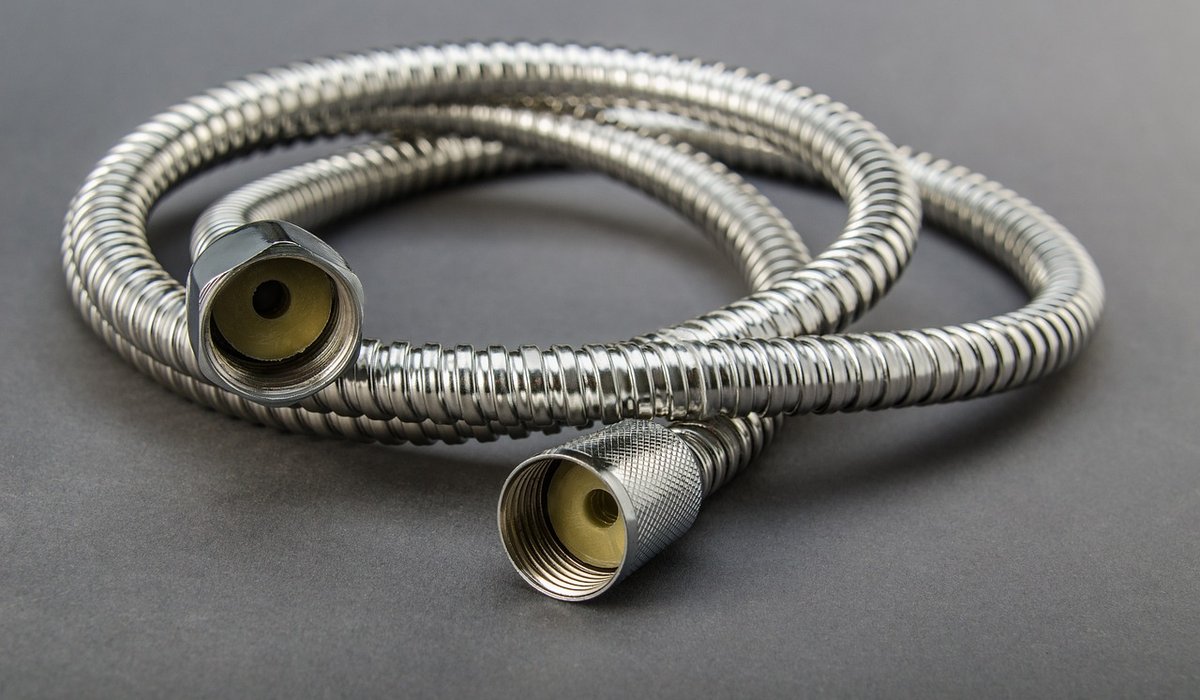
Top it back up using the filling loop: a braided hose under the boiler, usually with one or two taps. Open slowly, watch the gauge, and stop at 1.5 bar. Then close both ends properly and remove the hose if it is a temporary one. Bleed the affected radiators a second time a day or two later, because fresh water introduces a little more air.
Stopping Air Coming Back
- Add a corrosion inhibitor to the system. It slows the rusting that generates hydrogen gas in the first place.
- Fit a magnetic filter on the return pipework if you do not have one. It captures iron sludge before it settles in radiators.
- Chase down leaks. A system that needs topping up more than once or twice a year is losing water somewhere, and air is getting in as it goes.
- Book an annual boiler service. An engineer will check the pump, expansion vessel and valves, which is where a lot of recurring air problems begin.
When to Call in a Heating Engineer
Most air problems are a do-it-yourself job, but some are not. Call a qualified heating engineer if the radiator is cold at the bottom rather than the top, if the bleed valve is seized, rounded off or will not stop leaking, if the boiler pressure keeps falling, or if the same radiators need bleeding every few weeks. Persistent air on an open-vented system often points to a pump or pipework configuration issue that needs proper diagnosis rather than another turn of the key.
Do the simple job well, though, and you will feel the difference quickly: warmer rooms, a boiler that cycles less, and lower gas bills through the cold months.


Leave a reply